The problem#
A carousel post looks small from the outside: a handful of slides, a caption. From the inside it's a production line — research the point, verify it, structure the story, write the slides, design them in the same visual system as everything else, export, check. Done by hand, one post ran to about 6 hours.
That price is the problem. At 6 hours a post, consistency is the first thing to go: posts get published less often, and the quality drifts because every post is rebuilt from scratch instead of following a system.
The goal was to make carousels a production line rather than a craft project — same standards every time, without me sitting in the middle of each one.
How does it work?#
The chain, in one line: brief in → research API → structure and copy → design pipeline → versioned export → review. In full:
- brief
- A pain point and its solution — the actual idea for the post.
- research
- The point gets researched through the research API, so the slides claim something checked rather than something remembered.
- structure
- The story gets a spine: the hook, the sequence, the payoff — built to be swiped, not scrolled past.
- design
- The design pipeline applies the visual system — the same cream-paper, marker-drawn language every time.
- assets
- Outputs are versioned and checksummed, so a post can be reproduced and every asset traces to the run that made it.
- review
- A review checkpoint sits before publishing. The machine prepares; I approve.
That's the whole system: an idea in, a structured and designed post out, with a check before it ships.
What did I build?#
- The research step. Pain point and solution go in; the claims get researched through the research API before they become slides.
- The structure. The story order is generated — hook first, then the build, then the payoff — because carousels are read one slide at a time.
- The design pipeline. The visual system is applied rather than reinvented: same paper, same type, same markers, post after post.
- The asset discipline. Every output is versioned and checksummed — the part that turned this from “some scripts” into something repeatable.
- The output. A prepared final post: researched, verified, hooked and designed, ready for review and publishing.
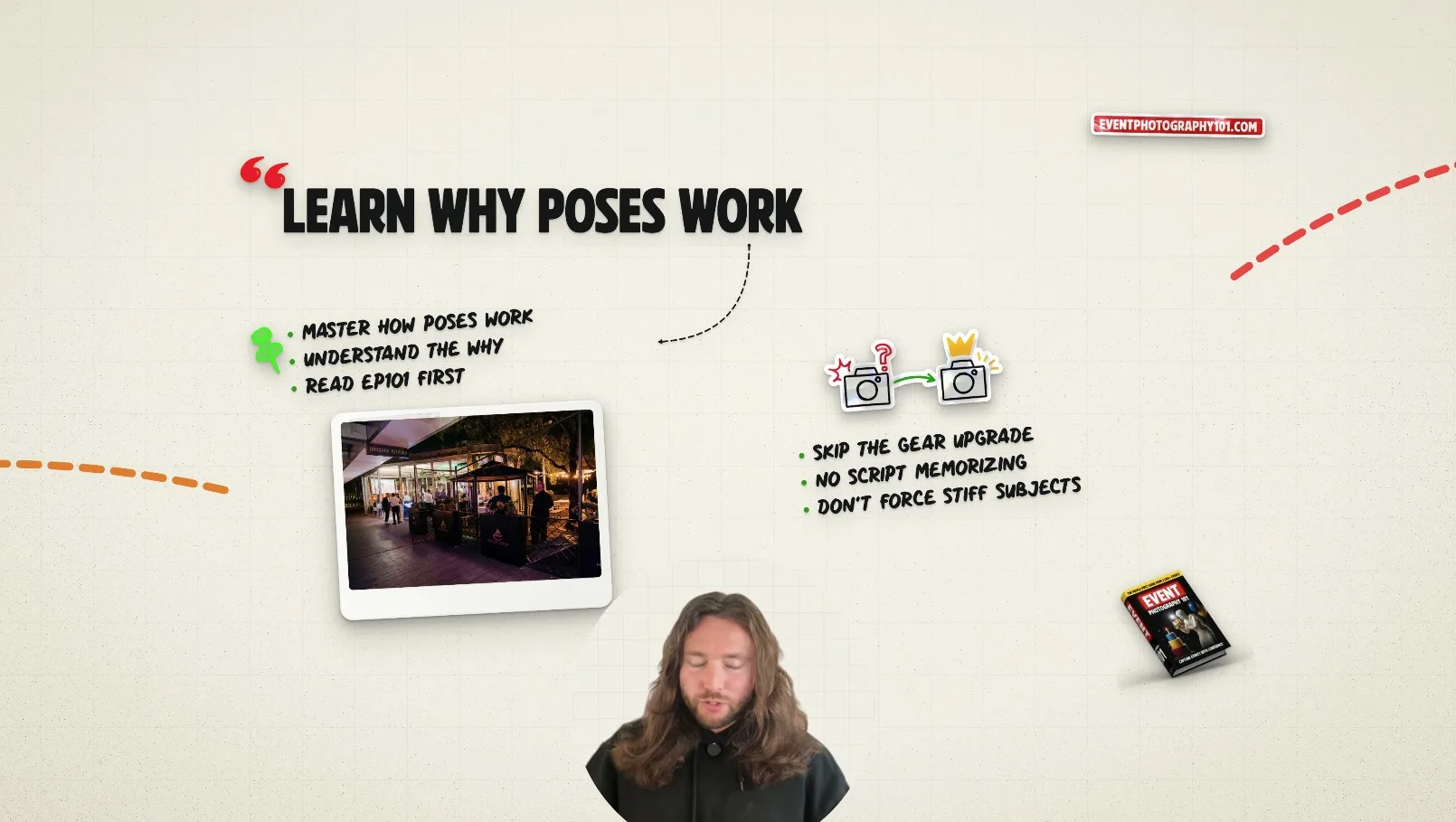
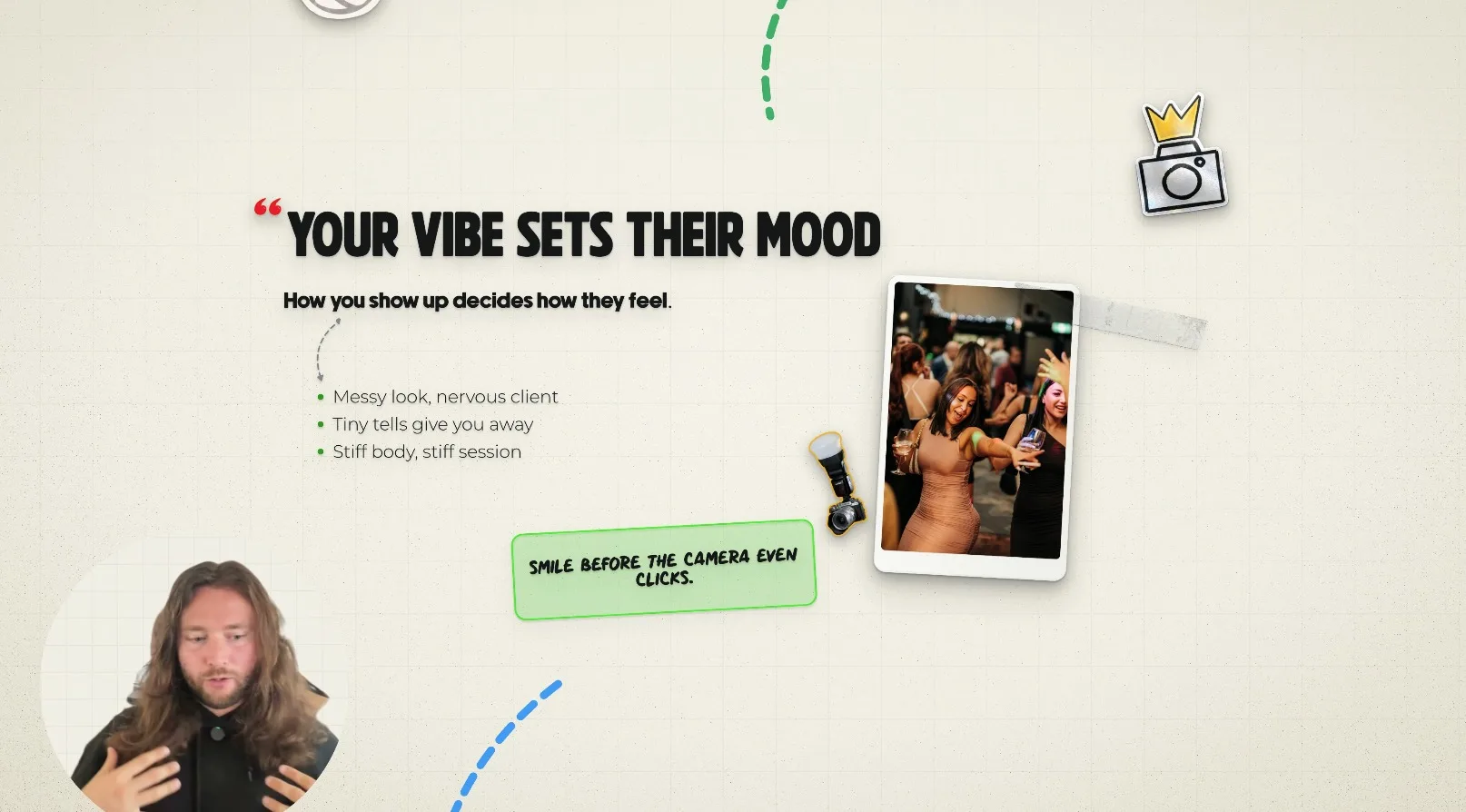
I give it the idea. It structures the story, creates the slides, applies the visual system, and prepares the final post.
Before and after#
| Area | By hand | Through the pipeline |
|---|---|---|
| Research | Manual research, from memory and notes | Pulled through the research API |
| Copy | Written from scratch each time | Structured around the hook, then checked |
| Design | Rebuilt slide by slide | The design pipeline applies the visual system |
| Files | Ad-hoc exports | Versioned, checksummed assets |
| Time per post | About 6 hours | About 30 minutes |
Technical depth#
- Python
- research API
- design pipeline
- versioned assets
- checksums
- review checkpoint
Python runs it. The research API feeds the claims. The design pipeline turns structure into slides and applies the visual system. Outputs are versioned and checksummed, so nothing anonymous ever ships and any post can be rebuilt from its run.
No exotic machinery — the value is in the order things happen and the discipline around the outputs. Structured generation, one visual system, a checkpoint before publish.
Production readiness#
Content pipelines fail quietly: a wrong claim, a missing slide, an old file. The safeguards aim straight at that.
- Research before claims. Points are researched through the research API rather than generated and hoped for.
- Versioned, checksummed assets. Every output carries its version and checksum, so the right file is identifiable and a run is reproducible.
- A review checkpoint. Nothing publishes straight from the pipeline — I review before it goes out.
The result#
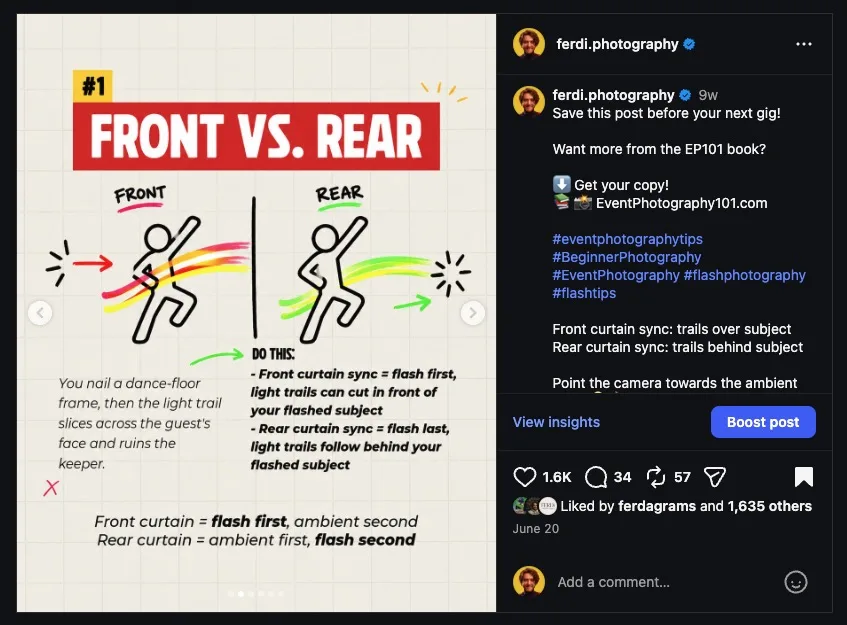
The honest number: about 6 hours per post became about 30 minutes. The same pipeline produced the “Front vs Rear” carousel — 1.6k likes, 57 saves — and the posts it produces feed the account that logged 1,000,000+ Instagram impressions in June 2026.
30-second walkthrough#
Why this matters to an employer#
Workflow automation
A multi-step creative process turned into a pipeline that runs end to end.
Content systems
The same visual system applied every time, instead of reinvented per post.
Structured generation
Research → structure → design → review, in that order, with the outputs kept.
A production tool, not a toy
Versioned, checksummed, review-gated output that publishes into a live account.